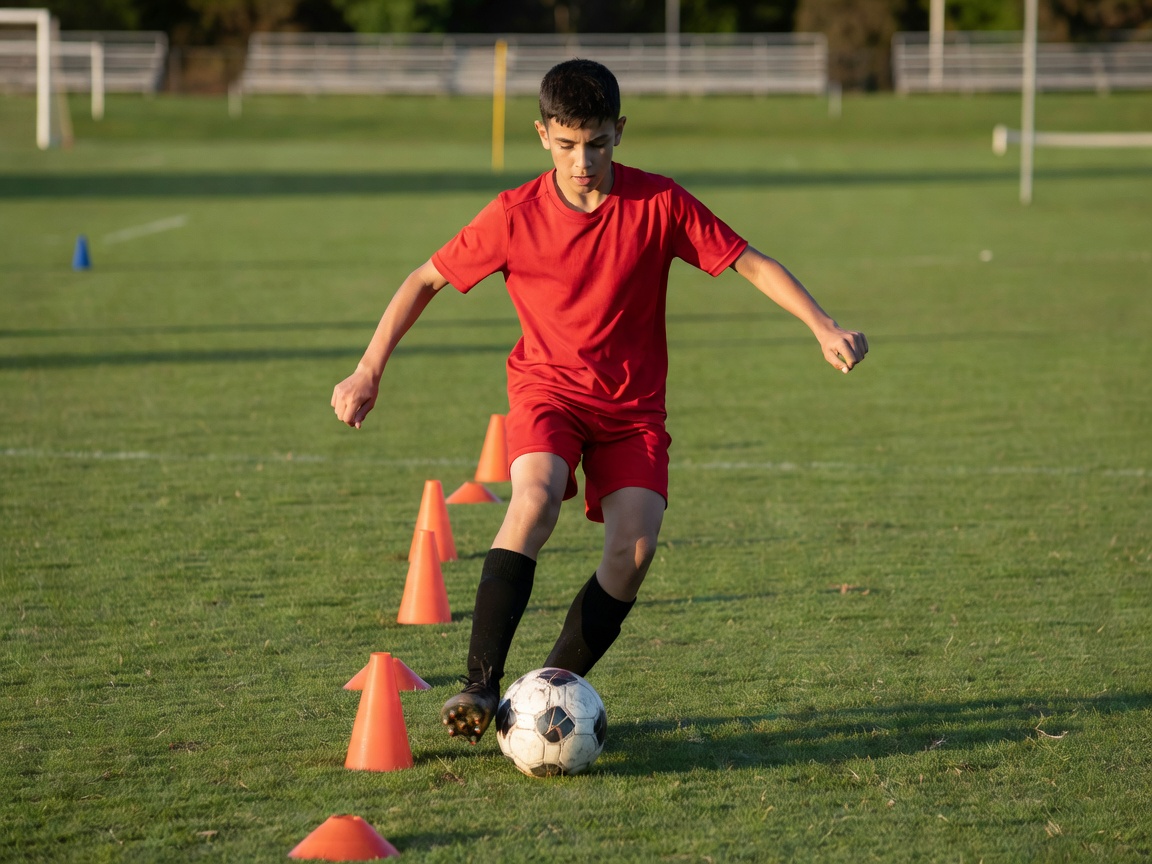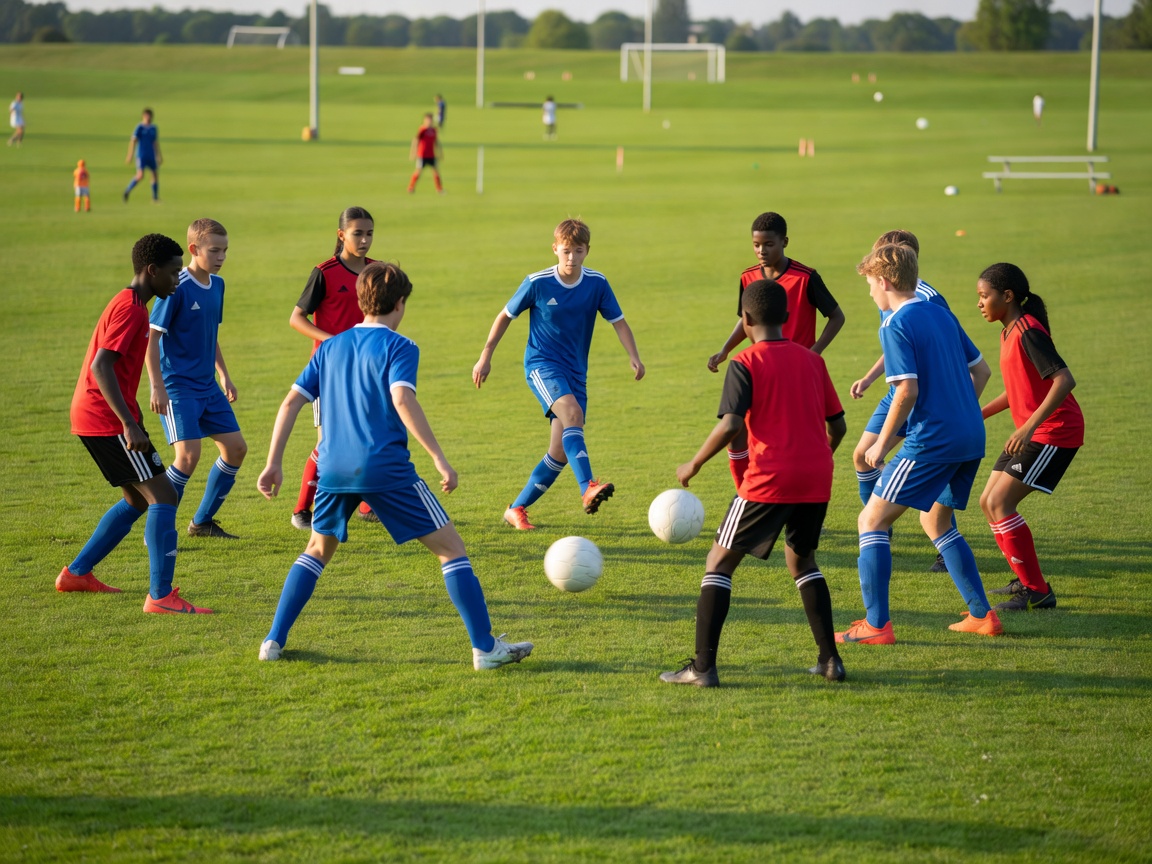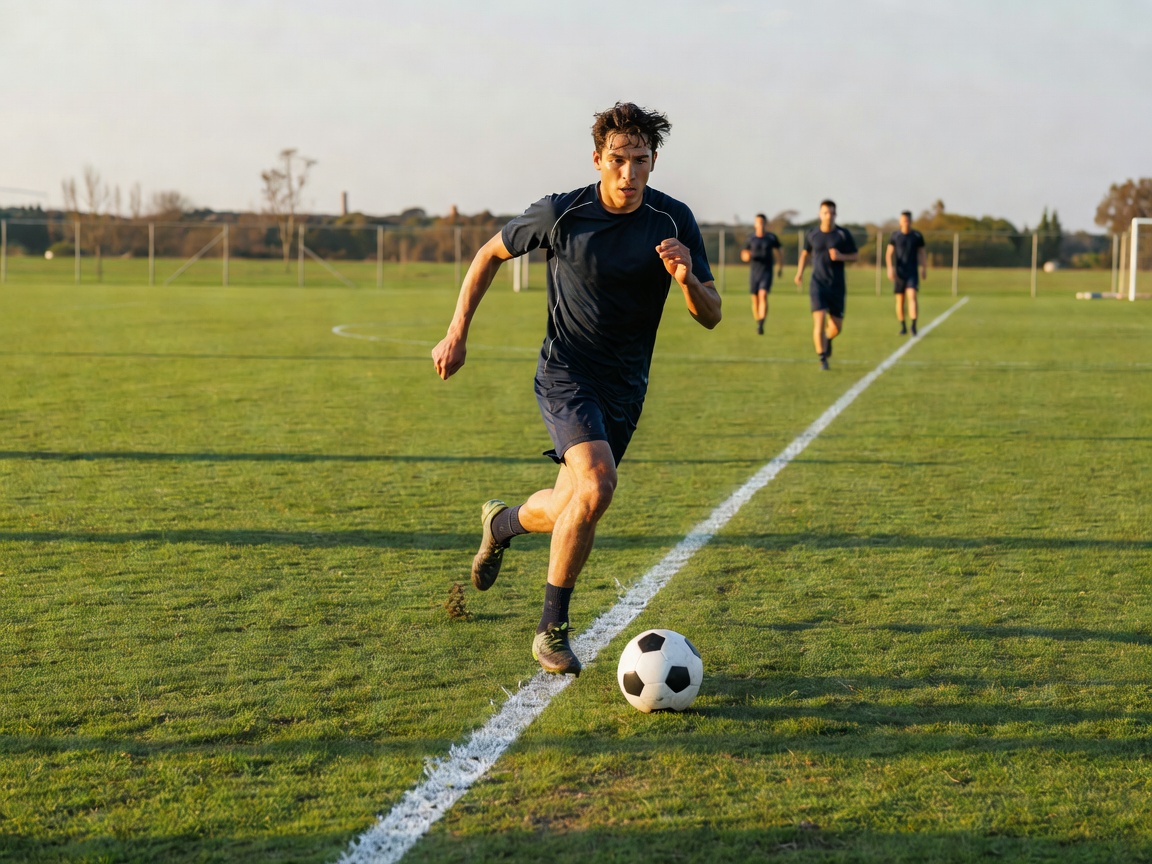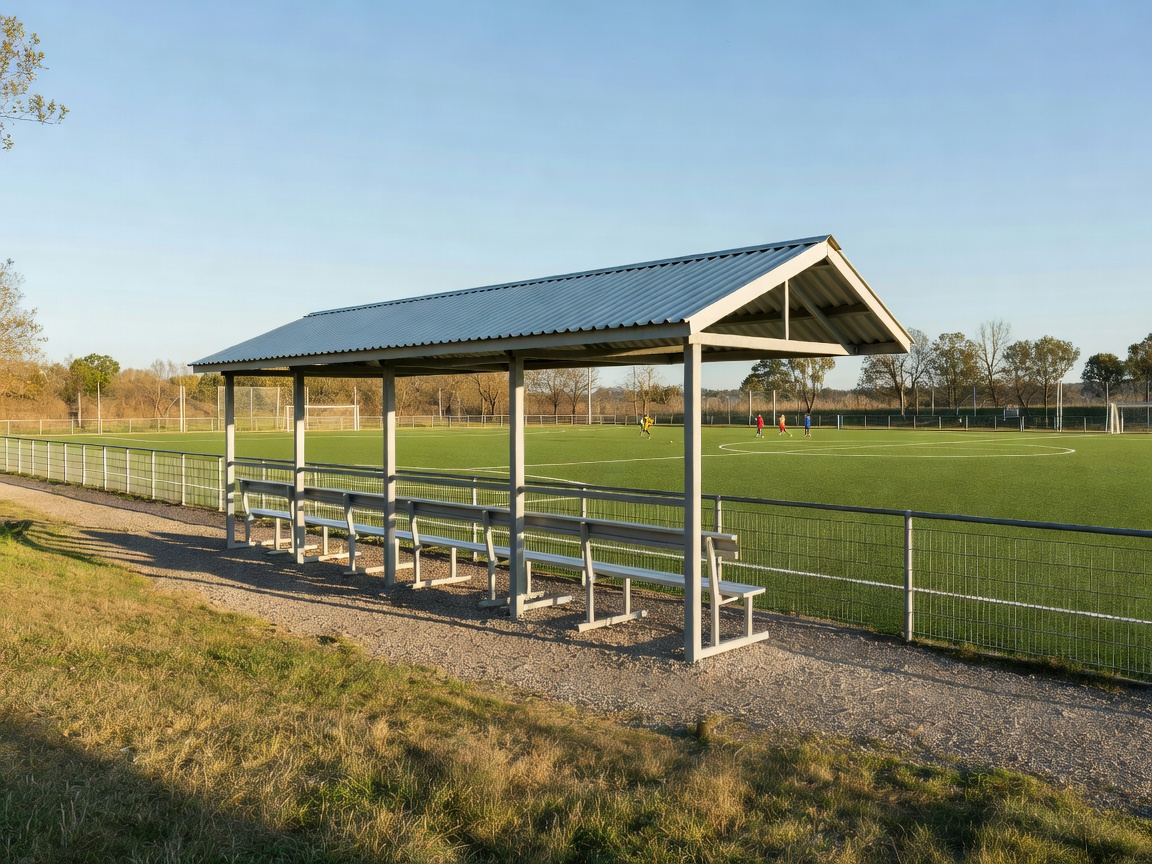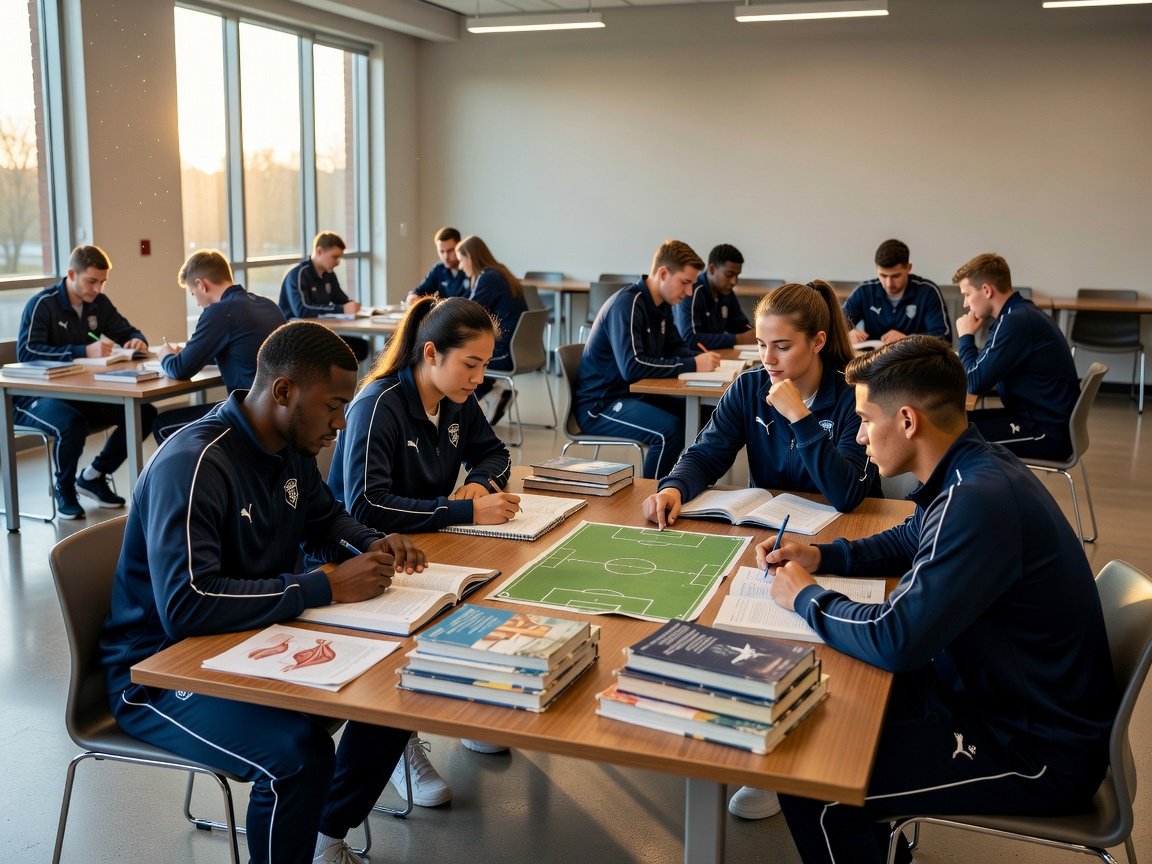
Guide 01
Academy Profiles

Background, location, structure and development pathway for each of the nine academies featured in this guide.
Read the profiles
European Youth Sport · Independent Guide
A factual, information-first guide to nine well-known European academies, the sports they cover, how training is structured and what admission typically involves.
01 · Sports Academies
Europe's best-known sports academies share a common goal: developing young athletes through structured training, education and competition. Our five guides break the subject into clear, factual topics so families, players and coaches can compare how different programmes work.
Guide 01

Background, location, structure and development pathway for each of the nine academies featured in this guide.
Read the profilesGuide 02

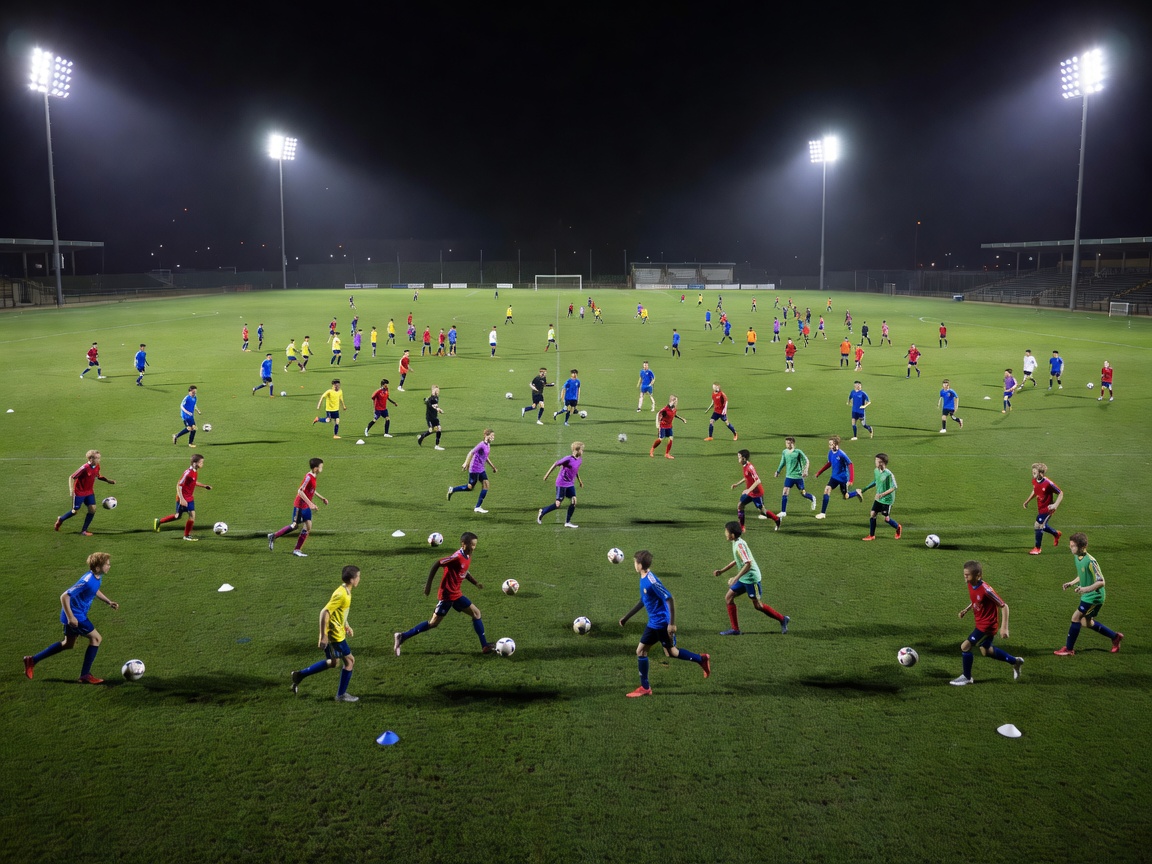
How football, basketball, tennis, athletics and multi-sport development are typically organised in European academy systems.
Explore the sportsGuide 03

Age-stage training programmes, coaching qualifications, youth development principles and practical training tips.
View training guideGuide 04

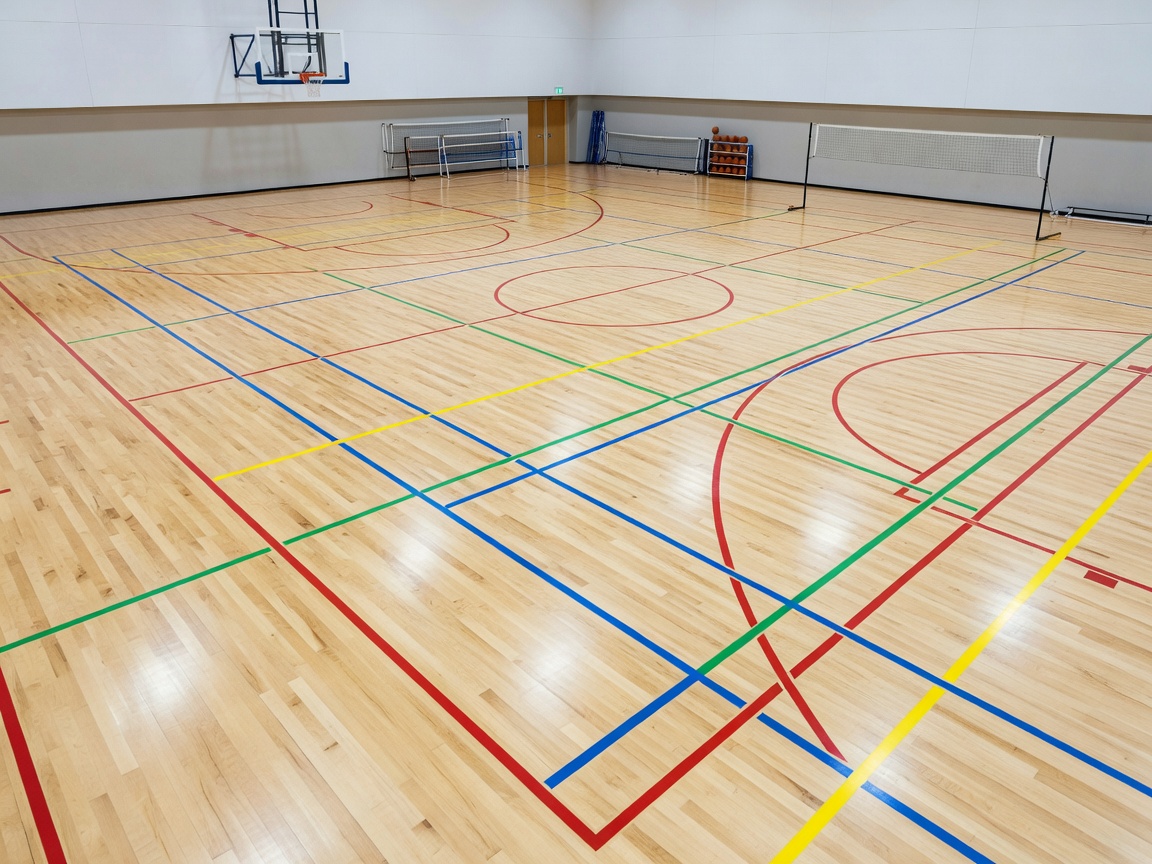
The facility types found at major academies and where each of the nine featured academies is based.
See facilitiesGuide 05

How scouting, trials, documentation and regulations usually shape entry into a European academy.
Read admission guide02 · Academy Profiles
The academies below are listed for reference only. The order is not a ranking and no academy is presented as better than another.
Federation centre

Opened in 1988 as part of the French Football Federation's national football centre, the institute runs a residential pre-training programme for young players from the Île-de-France region while they continue their schooling.
Full profileClub academy

Based at the De Toekomst training complex, Ajax's youth system is known for its emphasis on technique, tactical insight, personality and speed, often summarised as the TIPS model.
Full profileClub academy

FC Barcelona's youth academy takes its name from the farmhouse that housed young players from 1979 to 2011. Today it operates at the Ciutat Esportiva Joan Gamper training complex.
Full profileClub academy

Sporting's academy in Alcochete, renamed Academia Cristiano Ronaldo in 2020, combines training pitches, residential facilities and education support for youth players.
Full profileClub academy

Opened in 2017 in northern Munich, the FC Bayern Campus brings the club's youth teams together on one site with pitches, a small stadium, boarding and school support.
Full profileClub academy

The Red Bull Akademie opened in 2014 and hosts football and ice hockey programmes. In football, FC Liefering serves as a competitive stepping stone towards senior level.
Full profileClub academy

Dinamo's youth school is one of Croatia's main football development programmes, with players progressing through age-group teams towards the senior squad.
Full profileClub academy

Opened in 2006 south of Lisbon, the Benfica Campus in Seixal combines training fields, residential accommodation and education support for the club's youth players.
Full profileClub academy

Anderlecht's youth academy trains at Neerpede on the edge of Brussels and has long been a central part of the club's approach to developing players.
Full profile03 · Sports Offered
The nine academies featured here are football academies, but European youth sport also includes well-established pathways in basketball, tennis, athletics and multi-sport development.
Sport 01
The core sport of every academy in this guide, with age-group teams, residential options and structured progression.
Football pathwaySport 02
Several European multi-sport clubs run basketball youth sections alongside football, with development centred on skills, decision-making and physical preparation.
Basketball pathwaySport 03
Usually delivered through specialist academies and national federation programmes, blending on-court training, competition scheduling and schooling.
Tennis pathwaySport 04
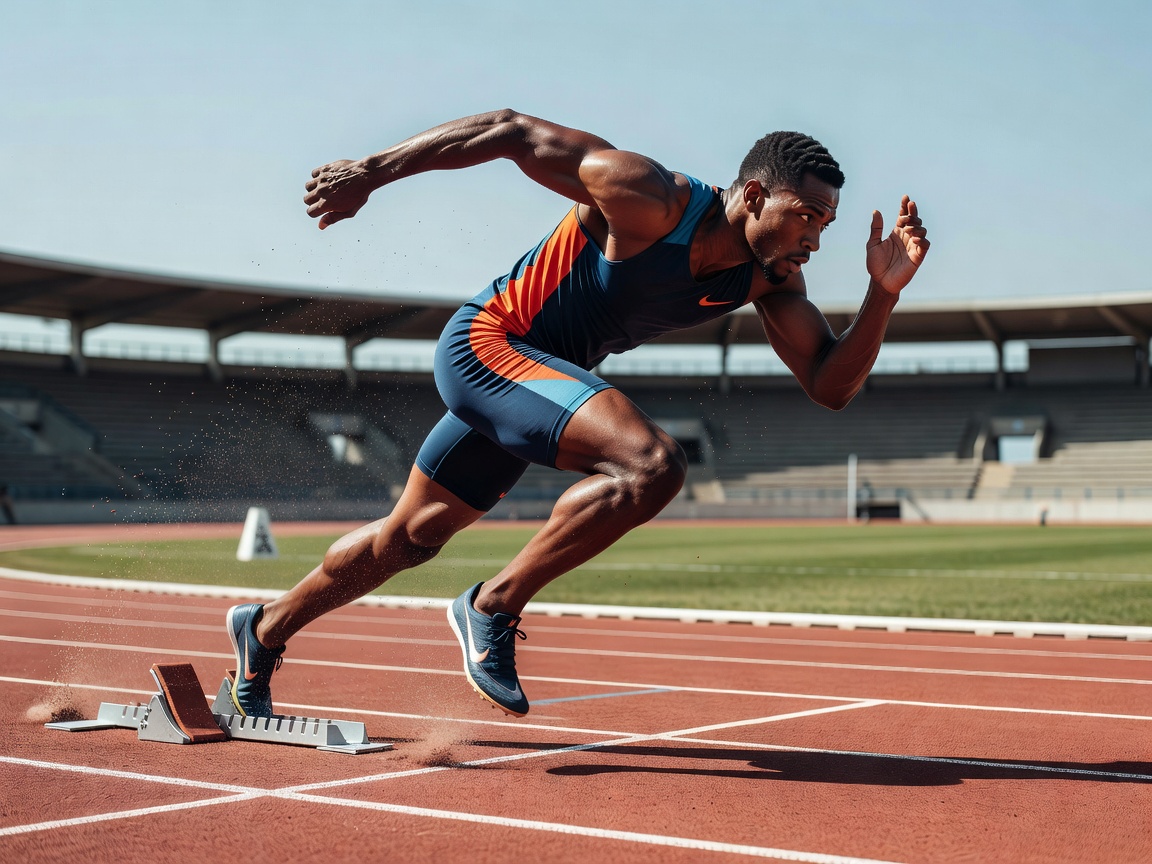
Organised through clubs and national federations, with event-group coaching across sprints, jumps, throws and endurance.
Athletics pathwaySport 05
Encourages younger athletes to sample several sports before specialising, building broad movement skills and reducing overuse risk.
Multi-sport approach04 · Training Programs
Most European academies organise training by age stage. Labels and age bands vary between clubs and countries, but the progression below reflects a common pattern.
Technique, coordination, small-sided games and enjoyment of the sport.
Position-specific work, tactical understanding and a gradual introduction to strength and conditioning.
Competitive exposure, individual development plans and the transition to senior football through reserve or second teams.
05 · Facilities
Major academies typically combine sporting, medical, educational and residential facilities on one site or across closely linked sites. The mix varies, but these are the facility types most commonly found.
Natural and artificial grass surfaces, often including full-size and small-sided areas.
Spaces for strength, conditioning and winter training.
Physiotherapy, performance testing and injury rehabilitation.
Boarding for players who live too far away to commute.
On-site classrooms or partnerships with local schools.
Video review and tactical sessions with coaches.
06 · Youth Development
Youth development in European academies covers far more than sporting skill. Because only a small share of academy players go on to professional careers, responsible programmes treat education and personal development as equally important.
07 · Coaching
In European football, coaching qualifications are built around the UEFA Coaching Convention. National associations deliver the UEFA C, B, A and Pro licences, and many also offer the UEFA Elite Youth A licence, which focuses specifically on developing young players.
Academy staff usually extend well beyond head coaches. A typical multidisciplinary team can include the roles listed here.
08 · Locations
Where each featured academy is based. Many sit on the outskirts of their home cities, where there is space for several pitches and residential buildings.
| Academy | Site / area | Nearest major city | Country |
|---|---|---|---|
| Clairefontaine National Football Institute | Clairefontaine-en-Yvelines | Paris | France |
| Ajax Academy | De Toekomst, Amsterdam-Zuidoost | Amsterdam | Netherlands |
| La Masia | Ciutat Esportiva Joan Gamper, Sant Joan Despí | Barcelona | Spain |
| Sporting CP Academy | Alcochete | Lisbon | Portugal |
| Bayern Munich Campus | Northern Munich | Munich | Germany |
| Red Bull Salzburg Academy | Liefering, Salzburg | Salzburg | Austria |
| Dinamo Zagreb Academy | Zagreb | Zagreb | Croatia |
| Benfica Campus | Seixal | Lisbon | Portugal |
| Anderlecht Academy | Neerpede, Anderlecht | Brussels | Belgium |
09 · Admission & Selection Information
Elite club academies generally recruit through scouting rather than open enrolment. The exact process differs by academy, but most follow a sequence similar to this.
Players are usually identified by club scouts at matches, tournaments or partner clubs.
Invited players attend training sessions or assessment periods with the relevant age group.
Medical screening, school records and guardian consent are typically required.
Registration follows national association rules and, for international moves, FIFA regulations on minors.
International transfers of players under 18 are restricted under Article 19 of the FIFA Regulations on the Status and Transfer of Players, with limited exceptions. Always rely on official club and association channels.
10 · Academy Information
A reference summary of operators, academy types and pathway teams. "Other sports" refers to sections run by the wider club, not necessarily at the academy site.
| Academy | Operator | Type | Pathway team | Other sports at operator |
|---|---|---|---|---|
| Clairefontaine National Football Institute | French Football Federation | Federation centre | Players return to clubs | Football only |
| Ajax Academy | AFC Ajax | Club academy | Jong Ajax | Football focus |
| La Masia | FC Barcelona | Club academy | Barça Atlètic | Basketball, handball, futsal, roller hockey |
| Sporting CP Academy | Sporting CP | Club academy | Sporting CP B | Athletics, futsal, handball, roller hockey and more |
| Bayern Munich Campus | FC Bayern München | Club academy | FC Bayern Munich II | Basketball and other sections |
| Red Bull Salzburg Academy | FC Red Bull Salzburg | Club academy | FC Liefering | Ice hockey at the academy |
| Dinamo Zagreb Academy | GNK Dinamo Zagreb | Club academy | Senior squad | Football focus |
| Benfica Campus | SL Benfica | Club academy | Benfica B | Basketball, futsal, handball, athletics and more |
| Anderlecht Academy | RSC Anderlecht | Club academy | RSCA Futures | Football focus |
11 · Training Tips
General principles that apply whether a young athlete is in an academy or training locally. They are not a substitute for advice from qualified coaches or medical professionals.
Growth, adaptation and learning all depend on consistent rest.
Running, jumping, landing and balance underpin every sport.
Increase volume gradually and build in lighter weeks.
Academic progress protects long-term options.
Look for recognised licences and safeguarding checks.
Contact academies directly and be cautious of paid intermediaries.
12 · FAQ
No. Chippermatemixr is an independent information guide. We are not affiliated with, endorsed by or acting for any academy, club or federation mentioned on this site.
Elite club academies generally recruit players through scouting rather than paid enrolment. Many clubs also run separate paid camps or clinics, which are not the same as a place in the academy. Check the official club website for current arrangements.
International transfers of players under 18 are restricted by Article 19 of the FIFA Regulations on the Status and Transfer of Players. Limited exceptions exist, and each case is handled through the relevant national associations.
It varies. Some club academies register players from primary-school age, while others recruit in the mid-teens. The Clairefontaine pre-training programme, for example, typically works with players aged 13 to 15.
Most major academies combine training with schooling, either through partner schools, on-site teaching or flexible timetables for players.
No. The academies are presented for information only. The order on this site is not a ranking and we do not score or compare them as winners or losers.